Adaptive Strategies to Safeguard Civic Space
A collection of ICNL resources on how civil society is navigating increasingly restrictive environments across the world.
Civic space is under growing pressure around the world. Governments have introduced new laws regulating civil society organizations, imposed tighter controls on international funding, expanded administrative oversight, restricted peaceful assembly, and increased the use of digital surveillance and counter-terrorism measures affecting civic participation.
Since 2022, ICNL has tracked over 298 legal initiatives affecting civic space across 77 countries, 85 percent of which can be deemed restrictive.
But as restrictions grow, civil society is also adapting by seeking out alternatives sources of funding, pooling resources via coalitions, strategically engaging with multilateral institutions, and more.
This page collects ICNL’s work on civil society’s efforts to navigate this challenging new environment for their work.

Latest Resource
Our Global Survey on Adaptive Strategies to Safeguard Civic Space
How are organizations responding to today’s challenges? In 2026, ICNL surveyed over 120 civil society representatives from more than 65 countries about the strategies they are using, which approaches are proving effective, and what support they need to continue their work. This briefer summarizes what we learned.
Read More
All Adaptive Strategy Resources

Adaptive Strategies to Safeguard Civic Space: Global Survey Results
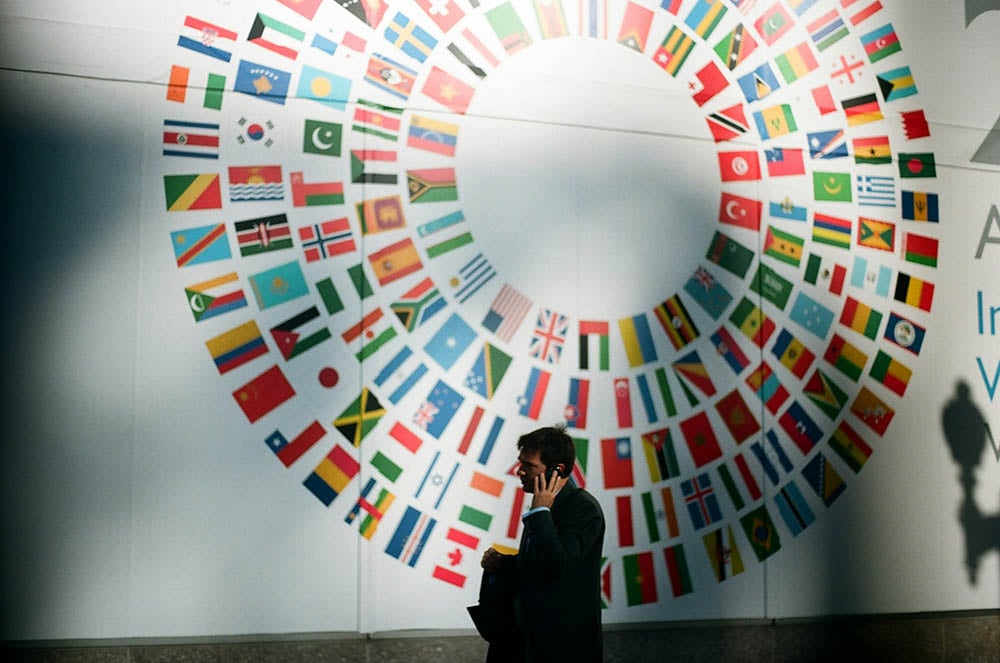
Multilateral Engagement to Defend Civic Space

Resource Diversification

Latin America’s Response to a Changing Funding Landscape: What We are Learning from the Region

Key Takeaways from the Asia Regional Consultation on Development Assistance