The Civic Space Initiative
The Civic Space Initiative (CSI) was a collaborative project of ICNL, Article 19, CIVICUS, and the World Movement for Democracy, which was launched in 2012. It was supported by the Government of Sweden.
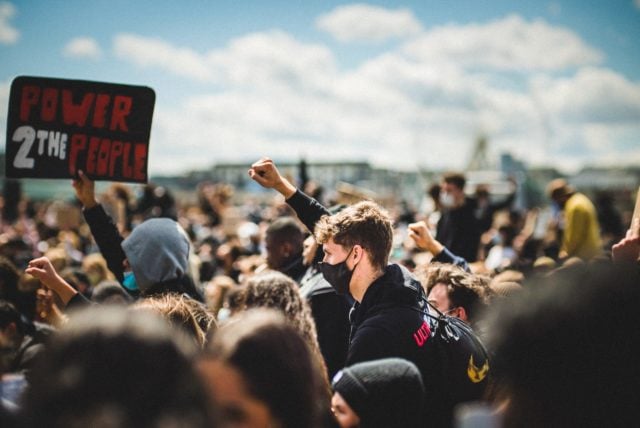
CSI was created to protect and expand the environment in which civil society operates globally – ensuring people’s right to come together, act collectively on issues that matter, engage with their governments, and ultimately improve their lives.
CSI’s Approach
The initiative focused on three dimensions of work: (1) influencing laws and policies related to the freedoms of assembly, association, and expression; (2) empowering civil society organizations from around the world to act together to promote civic freedoms; and (3) raising public awareness of the value of civil society through film, online platforms, and other innovative tools.
ICNL’s Role
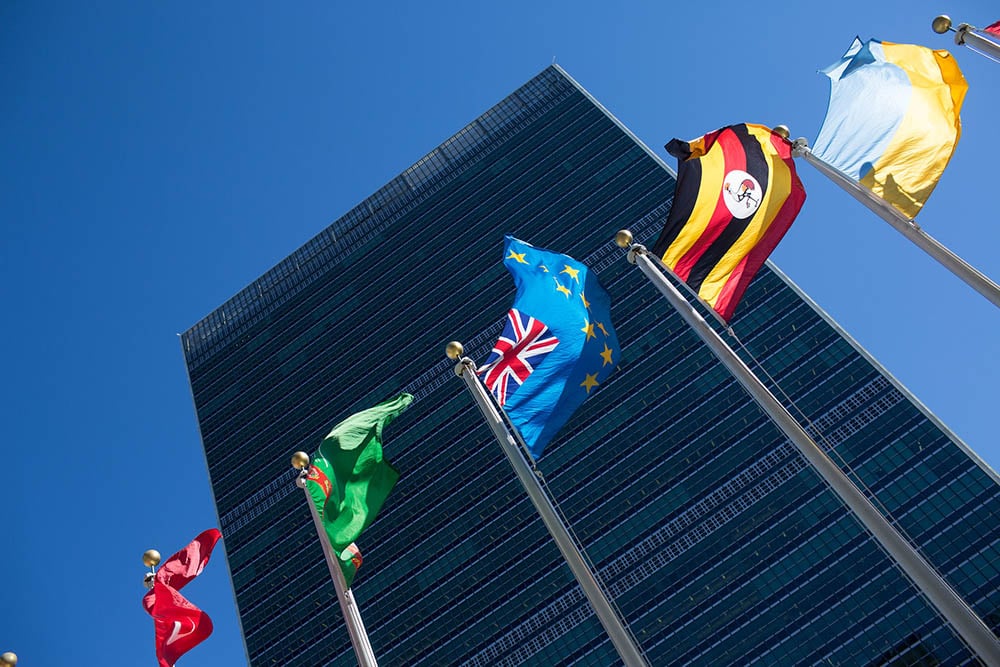
ICNL role focused on research, advocacy, and capacity building, particularly related to multilateral processes. We worked extensively within the United Nations to enhance international norms protecting civic freedoms. These efforts included extensive advocacy with UN member states, providing support to special rapporteurs, contributing to the development of General Comment 37 (on the right of peaceful assembly), and working with the Office of the High Commissioner for Human Rights to promote civil society participation in multilateral forums.
We undertook similar efforts to promote civic space at the regional level, including by supporting the development of the African Commission on Human and Peoples’ Rights Guidelines on Freedom of Association and Assembly.
ICNL also worked with the Open Government Partnership on national action plans, engaged with the Financial Action Task force on civil society issues, and promoted CSOs participation in global development initiatives such as the Organisation for Economic Co-operation and Development’s Development Assistance Committee.
CSI’s Key Impacts
• Engaged 943 national CSOs in national UN Universal Periodic Review (UPR) processes regarding the freedoms of association and assembly.
• Helped CSOs submit 108 recommendations for inclusion in UN UPR processes and UNHRC Statements, with 59 state and non-state actors clearly acting upon those recommendations.
• Gathered over 700 participants in various multi-stakeholder dialogues to increase civic space in government decision-making.
• Played a pivotal role in the development of General Comment 37 (right to freedom of peaceful assembly), assisting the UN Human Rights Committee in developing the Comment and serving as a bridge between grassroots activists and the Committee.
Key Resources Produced Under the CSI Project
General Comment 37: A Short Guide for Civil Society
This tool offers detailed guidance for civil society organizations on using the UN Human Rights Committee’s General Comment 37 to help advance freedom of peaceful assembly through advocacy, awareness-raising, and training efforts at the local, national, and regional levels.
Read more See here for more resources related to General Comment 37
Protecting Activists from Abusive Litigation: SLAPPs in the Global South and How to Respond
This report examines the use of Strategic Lawsuits Against Public Participation (SLAPPs) in the Global South, and finds that they pose a serious and growing threat to the exercise of fundamental freedoms.
Read more
OGP: The Guide to Opening Government
This guide, authored by ICNL at the invitation of the Open Government Partnership (OGP), provides official guidance to civil society and OGP member states on how to create an enabling environment for civil society. It also examines how civic space issues can be presented and addressed within OGP.
Read more
Donor Responses to the Challenge of Closing Civic Space
Civil society and the ability to exercise the core civic freedoms have been under threat for many years. This report examines how donor governments can effectively support civic space in challenging environments.
Read moreCivic Space after COVID: A Global Conversation on Emergency Powers, Fundamental Freedoms, and the Way Forward after the Pandemic
In May 2021, ICNL and the Swedish International Development Cooperation Agency hosted a high-level virtual conversation on emergency measures, fundamental freedoms, and revitalizing civic space in the wake of COVID-19.
The two-hour interactive session brought together civil society experts, governments, international organizations, and more to discuss practical ways these sectors and allies can work together to ensure emergency measures are extinguished as soon as possible. Available in English, Spanish, French, Russian, and Arabic.
Watch the event recording