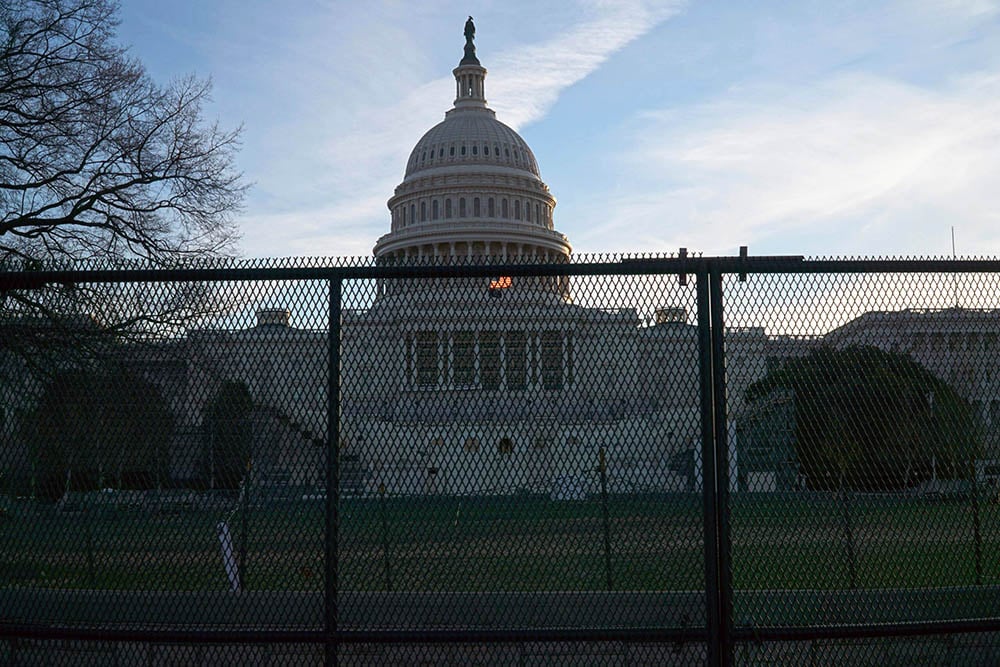
Freedom of Assembly
USCNL defends the right to peaceful assembly. We track proposed restrictions, analyze trends, and advocate for reforms to protect this fundamental right.
Countering Anti-Protest Bills
Since 2017, USCNL has tracked hundreds of state and federal bills that restrict the right to protest. USCNL provides analysis and research on this legislation.
Key Resources:
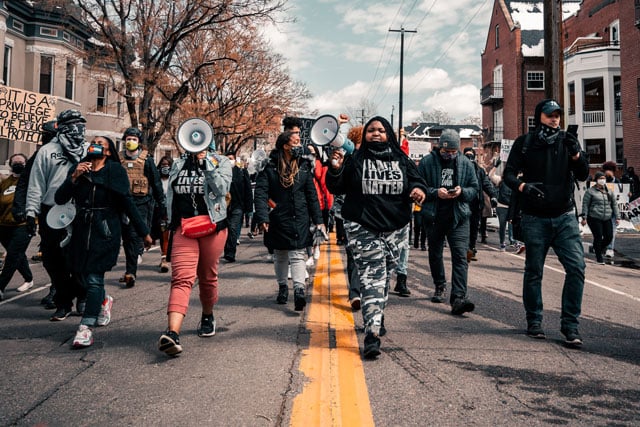
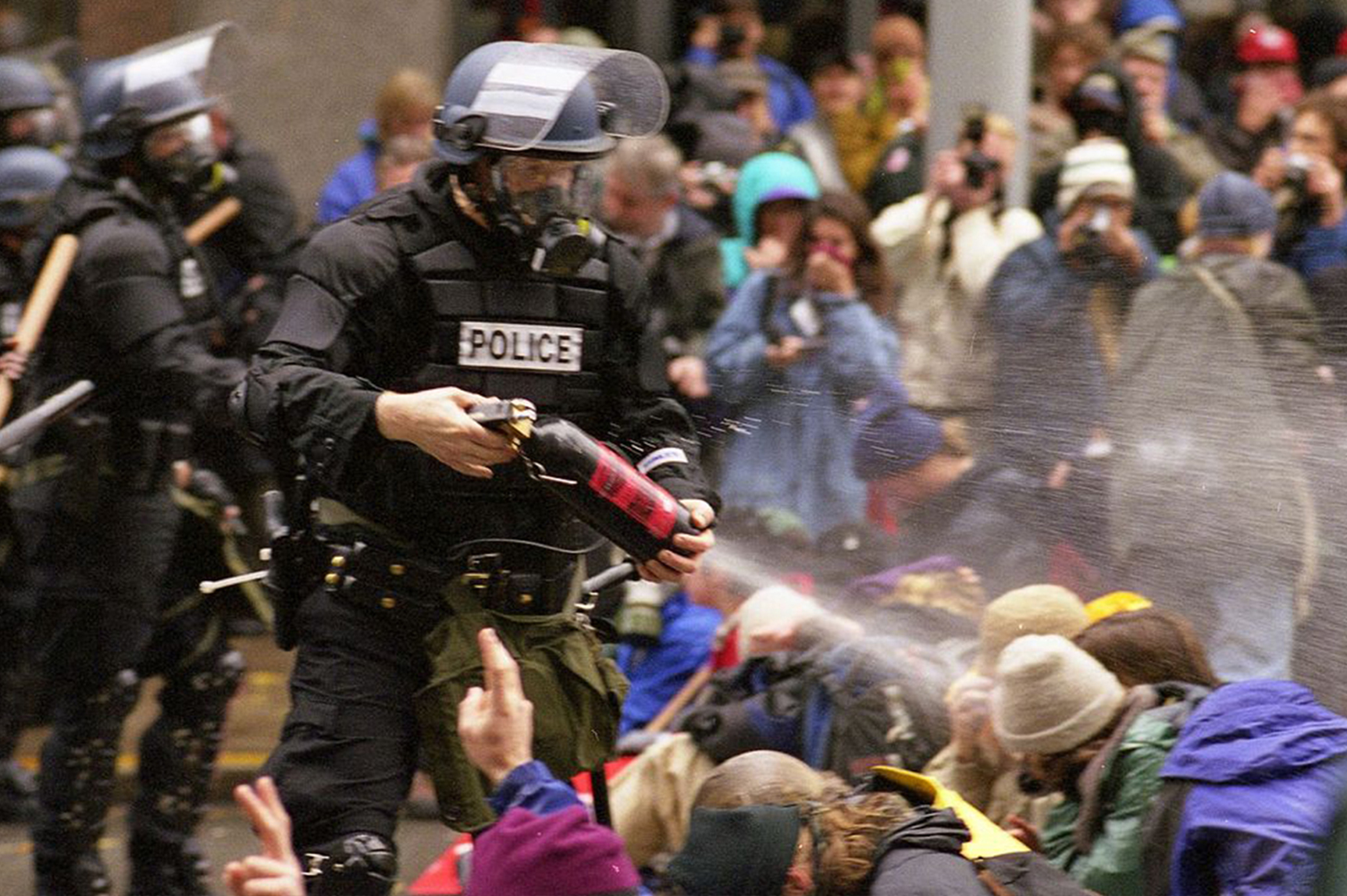
Limiting Excessive Force
Peaceful protesters have faced indiscriminate and excessive force at the hands of law enforcement. USCNL resources to address this threat include recommendations for reforms to limit the use of tear gas and other so-called less lethal weapons and to ensure accountability for law enforcement violence against protesters.
Key Resources:
Reforming Anti-Riot Acts
Authorities have long used anti-riot laws to arrest and punish peaceful protesters. USCNL resources explain the threat posed by such vague and overbroad laws and include recommendations for reform.
Key Resources:
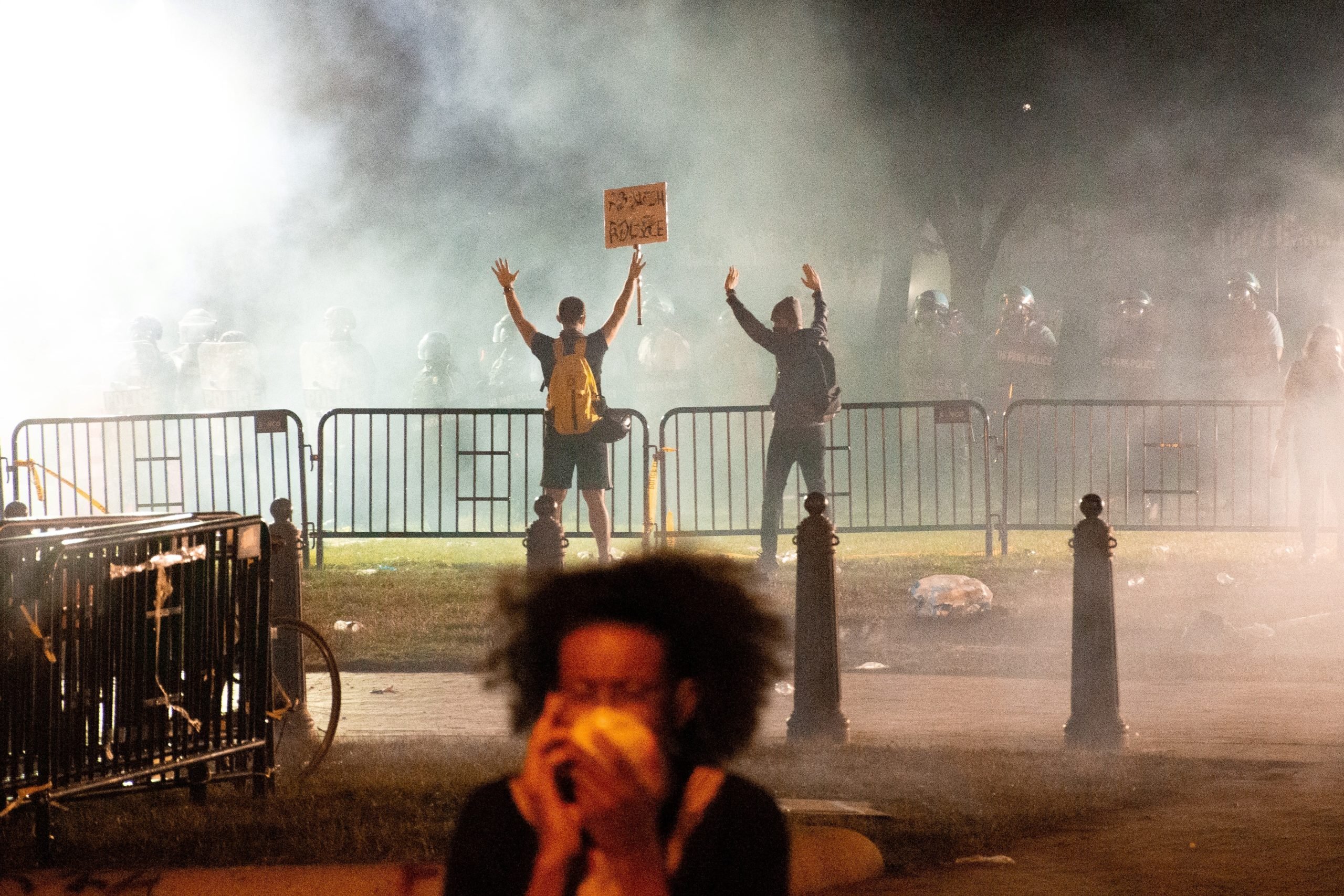
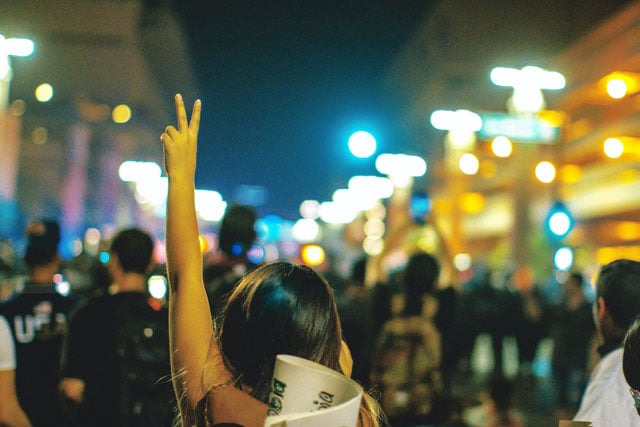
Civil Disobedience and the Law
Protesters who engage in nonviolent unlawful conduct, such as blocking traffic, face emerging threats including substantial new penalties and expansive liability. USCNL resources explore how the law should address civil disobedience without chilling protected peaceful protest activity.
Key Resources:
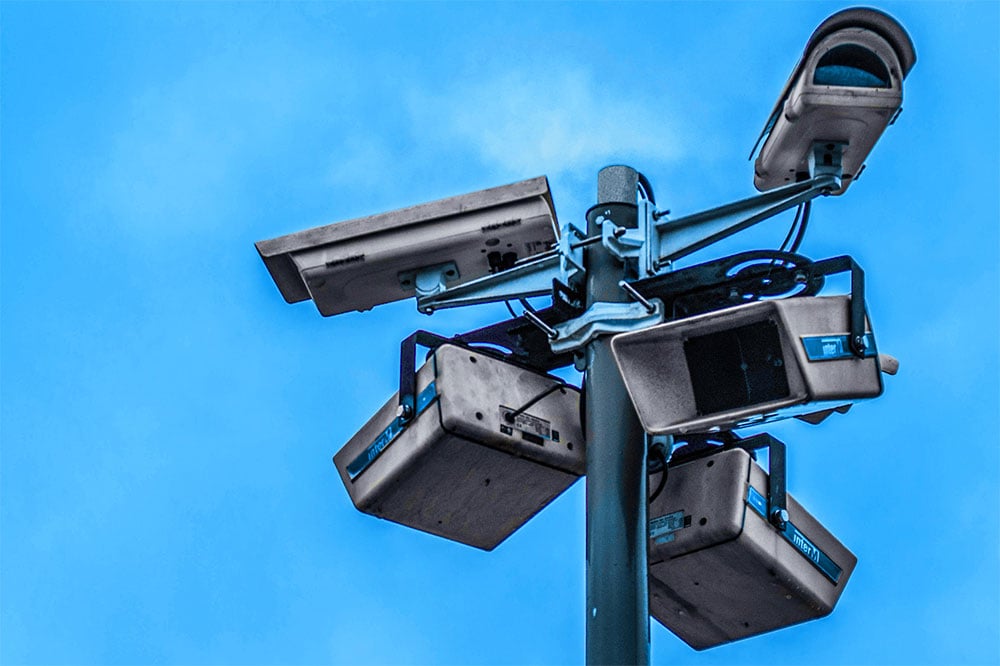
Surveillance
Protesters face an array of new types of surveillance, including the use of facial recognition technology and geolocation data. Invasive surveillance that identifies and tracks protesters can deter demonstrators from attending protests and places them at risk. USCNL works to create legal safeguards to prevent the abusive use of surveillance against demonstrators.
Key Resources:
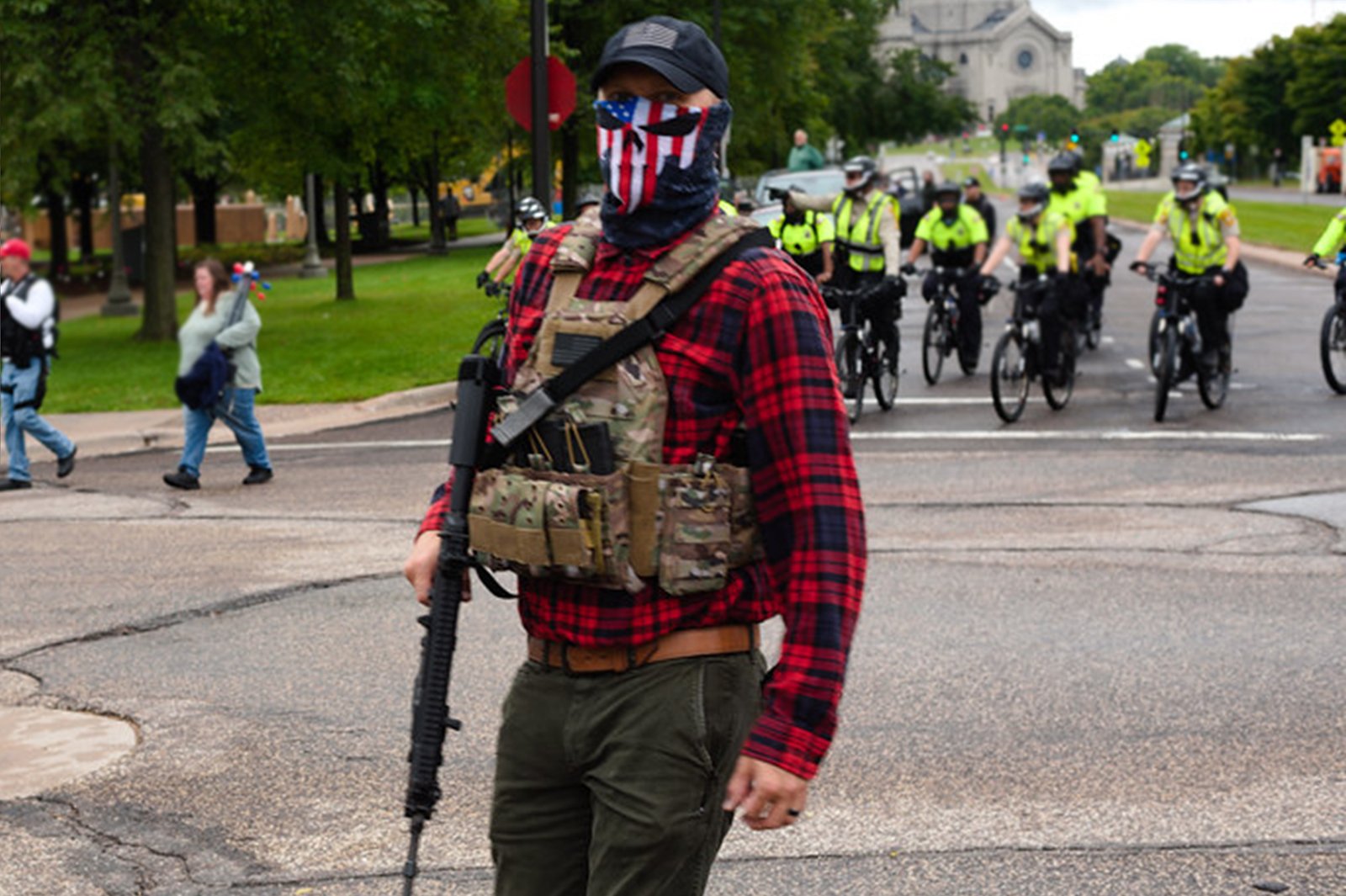
Keeping Guns Away from Protests
The U.S. has witnessed a growing number of armed protests. The presence of guns discourages people from exercising their rights to assembly and speech, interferes with democratic processes, and poses a threat to public safety. USCNL is working to advance reasonable and constitutionally-sound reforms to keep guns away from protests.
Key Resources:
All USCNL Freedom of Assembly Resources
State-Level Terrorism Designation Laws and U.S. Nonprofits
Federal Terrorism Law and U.S. Civil Society: An Explainer