Sub-Saharan Africa Program
ICNL works with partners across 26 countries in Africa to advance civic freedoms, encourage public participation and philanthropy, and support civil society in the face of threats.
Our partners include civil society leaders, activists, government officials, lawyers, media workers, and academics. Together, we have helped develop progressive norms that expand civic space throughout the region.
Be sure to browse our Focus Areas, Key Resources, and Country Overviews.
Sign up for our NewsletterOur Impact in the Region
2025 in Numbers
Countries where we worked:
27
CSOs that received ICNL assistance:
1,801
ICNL knowledge products produced and disseminated:
112


Building a Better Digital Future
Since 2020, at least 15 countries in Africa have introduced or enacted laws restricting civic freedoms online. To help civil society push back, ICNL and its partner CIPESA helped create Digital Rights Alliance Africa, which brings together experts to champion digital civic space.


Bolstering Data Protection in Africa
In Tanzania, our partner JamiiForums drafted a model bill on data protection with technical assistance from ICNL. That bill served as the basis for Tanzania’s first ever data protection law, passed in May 2023.

Highlights

Adaptive Strategies to Safeguard Civic Space: Global Survey Results



What We Do
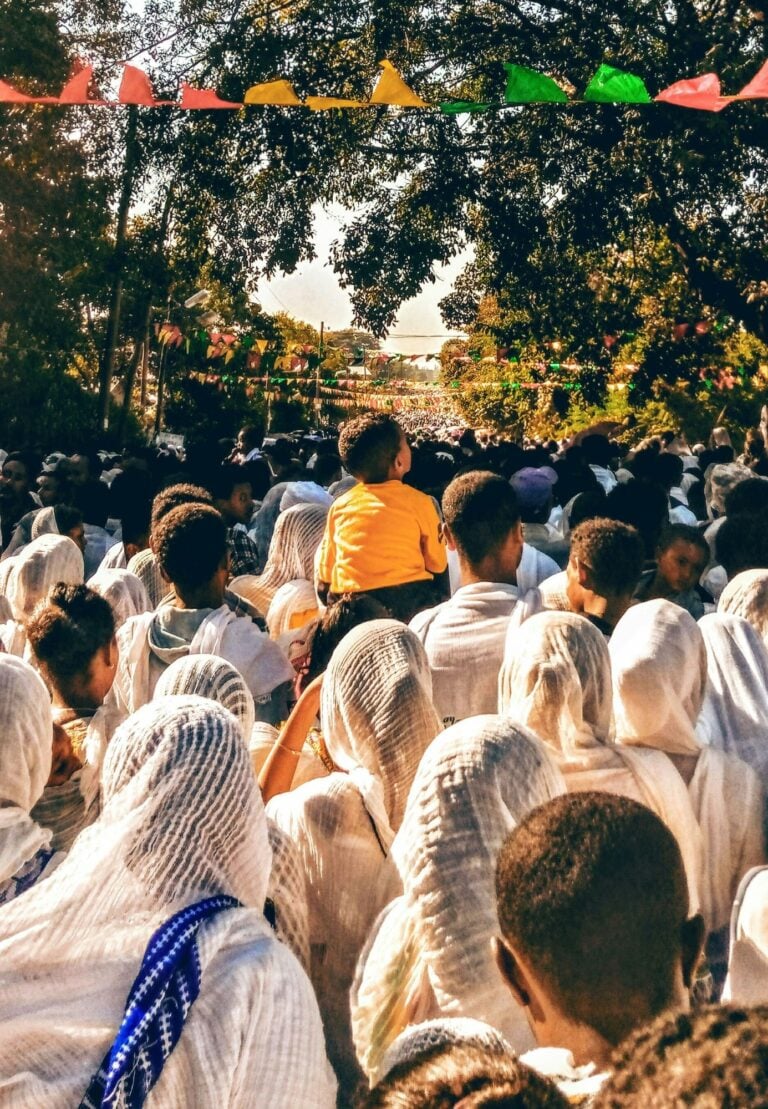
Creating Environments Where Civil Society can Flourish
ICNL works with civil society and governments to promote legal frameworks that protect the freedoms of association, peaceful assembly, and expression.
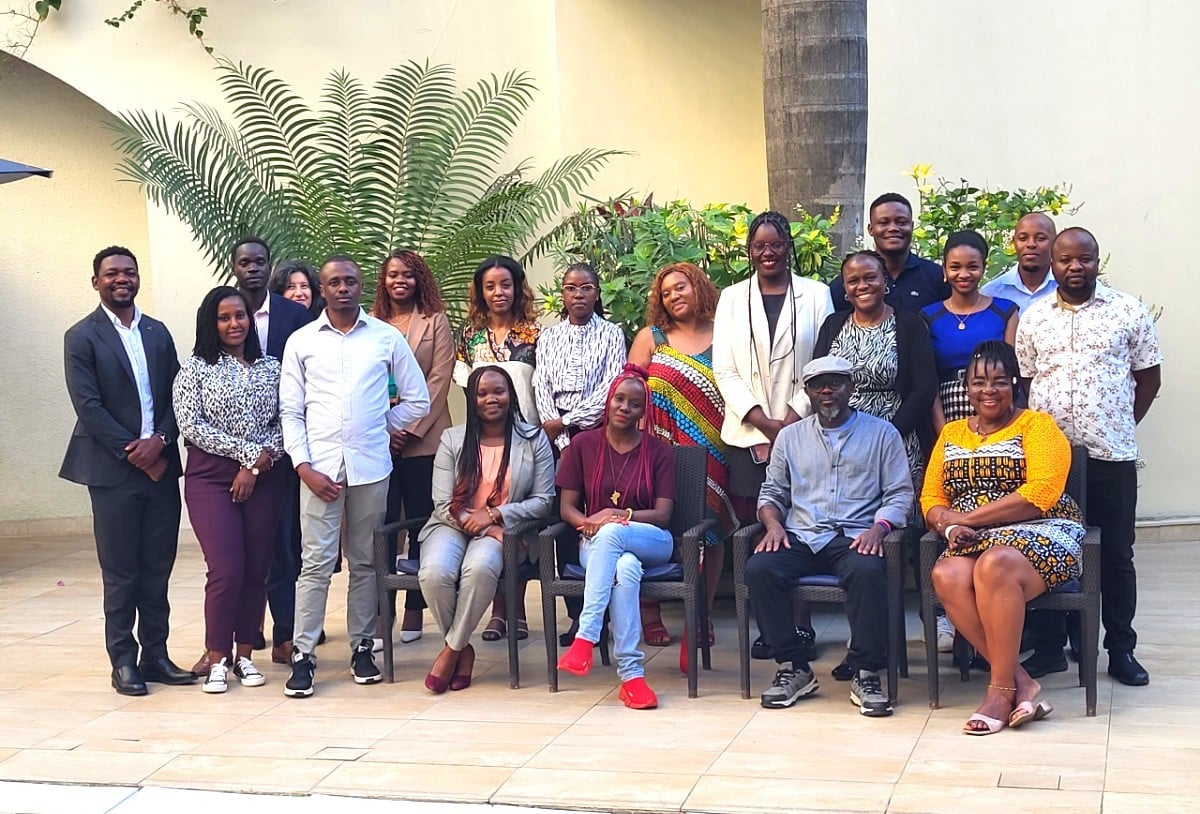
We track and analyze legislation across Africa, support stakeholder convenings and learning initiatives, and produce tools to aid legal implementation, compliance, and advocacy.
Enhancing Digital Inclusion and Internet Freedoms
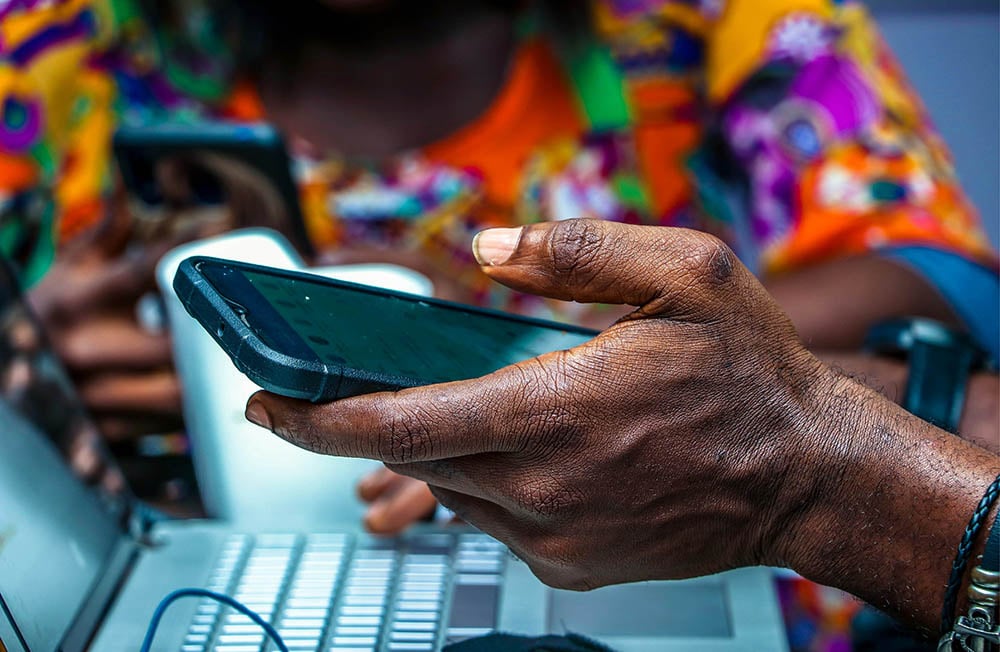
Civic space is just as important online as it is in the physical world. We work to ensure that the regulation and use of digital technologies respects and protects civic freedoms.
Our recent efforts include working with partners to improve a new data protection law in Malawi, convening a national forum on digital rights in Kenya, and studying the impact of digital surveillance on civil society.
Countering the ‘Securitization’ of Civic Space
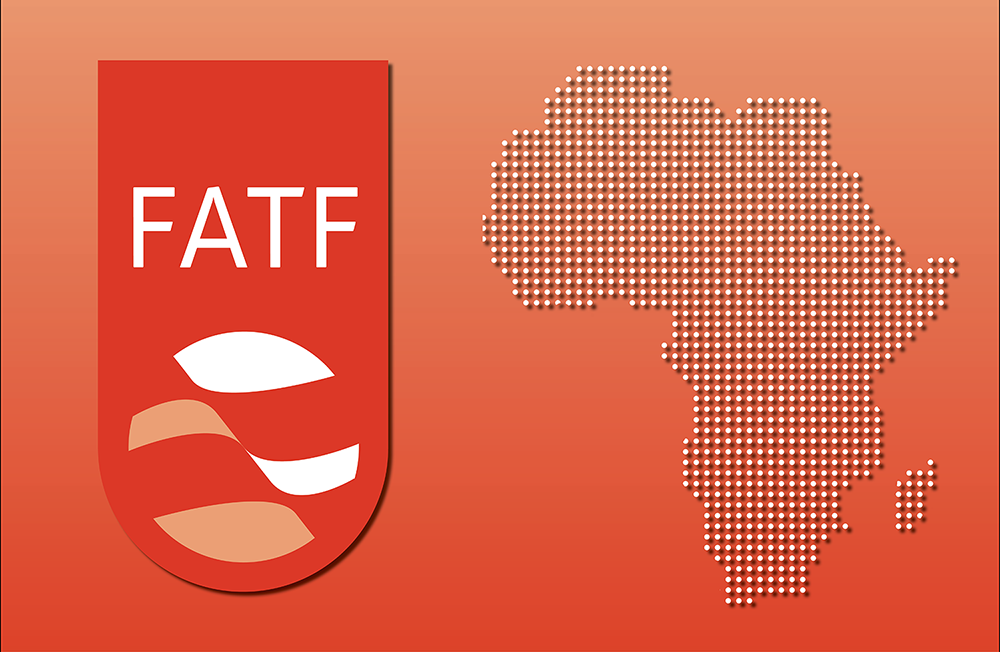
States have a legitimate interest in fighting terrorism and money laundering, but their efforts should not degrade civic freedoms.
We work with partners to shape effective standards, including contributions to positive revisions of the Financial Action Task Force (FATF) standards for regulating non-profits. Our FATF Toolkit and Guide on Positive Practices in Implementing FATF Recommendation 8 offer practical steps for civil society and state actors.

Strengthening Public Participation
Meaningful participation in decision-making is a crucial component of civic space.
ICNL supports its partners in advocating for accessible and inclusive public participation, such as in Kenya, where the Kisumu County government recently adopted a public participation policy that enhances engagement and information-sharing with local communities.
Promoting Civic Space Regionally and Internationally
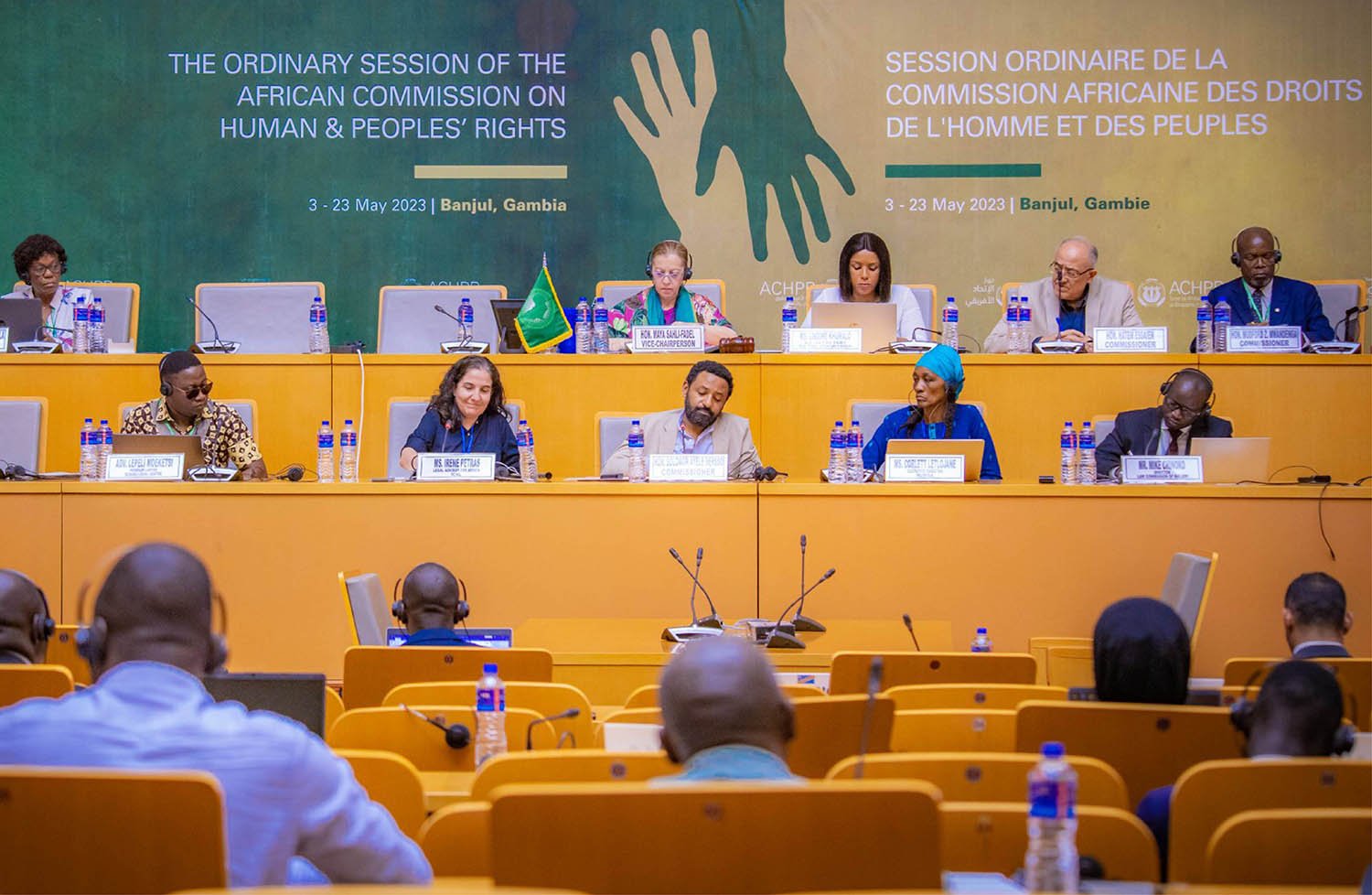
We work with regional and global institutions to develop progressive norms while promoting domestic compliance and accountability.
In 2024, our consultation on election-related challenges in Africa informed a the work of UN Special Rapporteurs and led to an increased focus on elections and civic space at the ACHPR.

Sharing Knowledge
ICNL conducts innovative research on the laws and trends shaping civic space in Africa. We also collaborate with local partners from diverse sectors to produce context-specific knowledge products.
See the Key Resources section below for some of our recent research.
Key Resources
ACHPR Checklists for Law Reform Advocates
These two checklists help people use the African Commission on Human and Peoples’ Rights Guidelines on Freedom of Association and Assembly in Africa. They provide a simple way to monitor State compliance and identify where issues might arise.
Read moreFreedom of Expression Handbook for Lawmakers and Law Reform Advocates
This handbook helps lawmakers and law reform advocates assess whether national laws comply with international legal standards on the right to the freedom of expression. It features an easy-to-use checklist format, asking users a series of questions and directing them to best practices.
Read moreCommunity Philanthropy in East Africa
The 2022 study by the East Africa Philanthropy Network surveys the landscape for philanthropy in Tanzania, Uganda, and Kenya. It examines models which are working, identifies opportunities to grow local resource mobilization, and identifies gaps. Published with the support of ICNL.
Read moreGlobal Grantmaking Country Notes
In partnership with the Council on Foundations, ICNL documents developments in 34 countries to help U.S grantmakers undertake equivalency determinations for foreign grantees. In Sub-Saharan Africa, reports are available for Ethiopia, Kenya, Nigeria, South Africa, and Uganda.
Read more (via COF)Civic Freedom Monitor
ICNL’s Civic Freedom Monitor provides up-to-date information on civil society law in more than 50 countries and eight multilateral organizations. In Africa, we track developments in the DRC, Ethiopia, Kenya, Malawi, Nigeria, Rwanda, Senegal, Sierra Leone, South Africa, Sudan, Tanzania, Uganda, and Zimbabwe.
Read moreExplore our Practical Guides
Ethiopia:
▷ Guide to the Organizations of Civil Societies Proclamation No. 1113/2019
▷ Ethiopia Legal Empowerment Toolkit
Tanzania:
▷ Compliance with the Written Laws (Miscellaneous Amendments) (No. 3) Act, 2019
▷ Legal and Reporting Requirements Toolkit
Zimbabwe:
▷ Guide to PVO Act (2025 Amendments)
▷ Guide to the Peace and Order Act: Ensuring Compliance by Organizers of Assemblies
Country Overviews
Click below to see country-specific resources.
All Africa Resources

Adaptive Strategies to Safeguard Civic Space
Adaptive Strategies to Safeguard Civic Space: Global Survey Results
Seven Years On: Assessing the Impact of Ethiopia’s 2019 Civil Society Proclamation

Explore our full global resource collection, which includes reports, legal analysis, and curated collections of materials covering an array of issues impacting civic space around the world.